







Rail Power
A deployable platform for rail infrastructure analytics: low‑power sensing + AI models + dashboards/APIs — designed for predictive maintenance on live rail and tram networks.


What does it do?
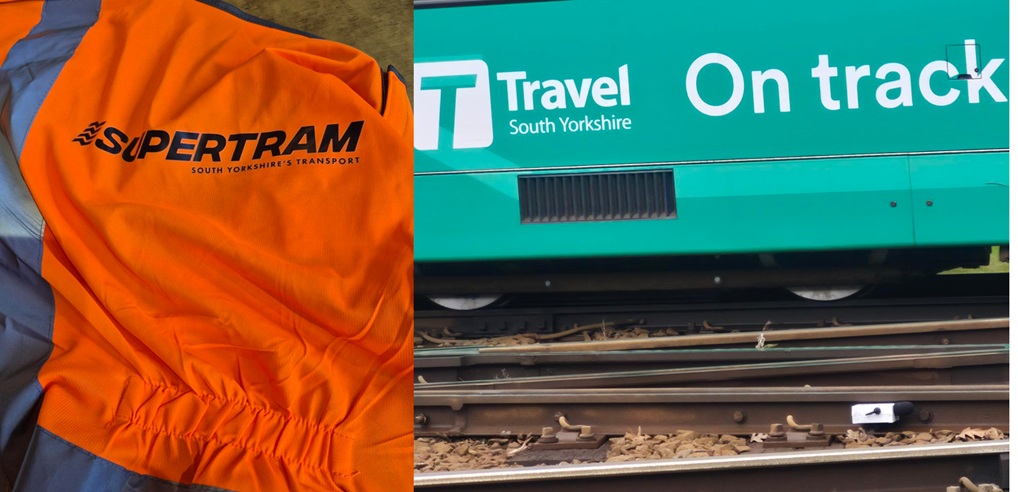
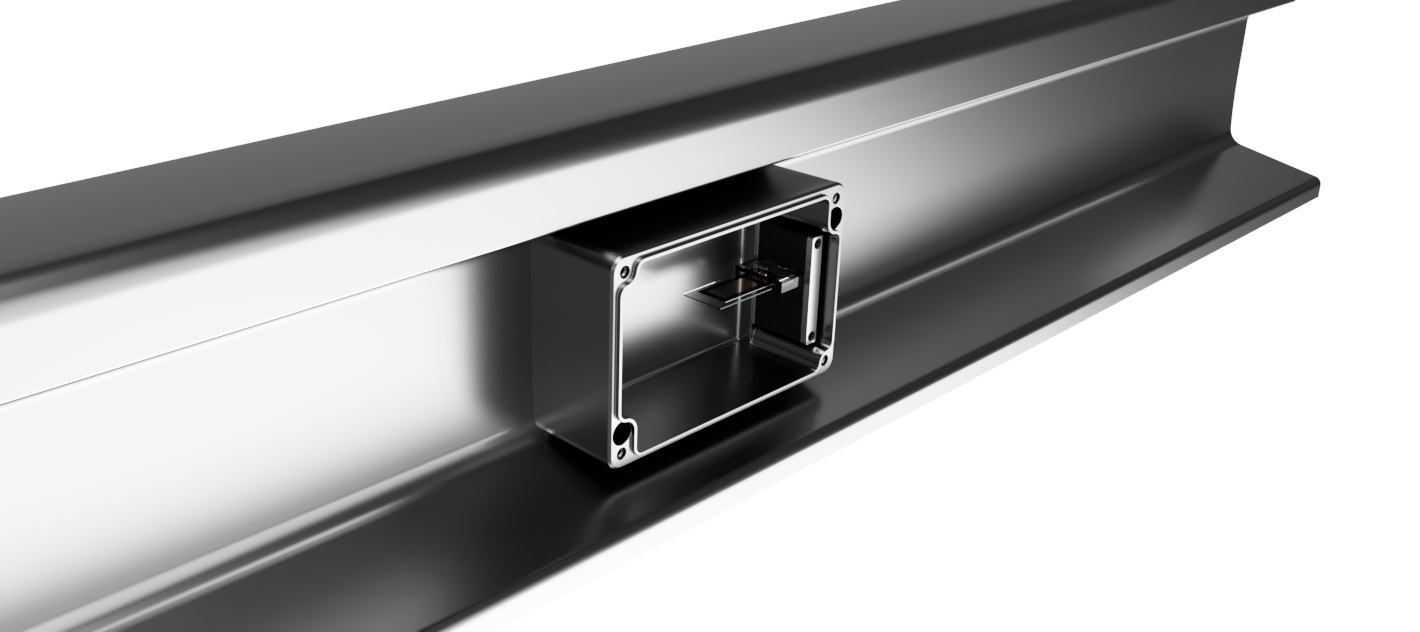
Rail Power captures vibration signatures and uses AI models to detect change, forecast degradation and surface the likely root cause — supporting predictive maintenance and resilience operations.
- Low‑power rail/structure‑mounted nodes for long‑term monitoring
- Change detection + forecasting tuned for infrastructure signals
- Mechanism‑level insight to make interventions more targeted
- Dashboards and APIs to integrate into operator workflows
Why it matters
Ageing assets and limited trackside access drive the need for remote monitoring. Predictive maintenance helps reduce emergency call‑outs and disruption minutes.
Indicative outcomes
10–30%
Lower maintenance cost (indicative)
Lower maintenance cost (indicative)
30–50%
Less downtime (indicative)
Less downtime (indicative)
40–70%
Fewer emergency repairs (indicative)
Fewer emergency repairs (indicative)